
Should You Rekey Your Locks After Moving Home?
Want new keys for your new home?
Salisbury Auto Keys is a fully insured, RAC-accredited mobile locksmith covering Wiltshire, Hampshire, Dorset and Somerset.
Table of Contents
Last Updated: November 13, 2026
Moving into a new home is exciting, but the keys you receive at completion may not be the only keys in circulation. Previous owners, tenants, builders and trades people can all have copies. For many UK homeowners, rekeying the locks is a sensible first step, and it often costs far less than replacing them. This guide explains how to decide what to do.
Why Rekeying Your Locks Matters After Moving In
Rekeying means changing the internal pin arrangement inside a lock cylinder so that your new key works and the old keys stop working. The lock body, handle and fittings stay in place.
A common mistake is assuming the locks are secure because the house looked tidy at viewing. Keys can be copied, lost or passed on informally, and the new owner rarely sees a record of who held them. Rekeying the front door, back door and any side or garage doors can remove that uncertainty.
Rekey or Replace: Choosing the Right Option
Rekeying is usually the right choice when the locks are in good condition and you simply want new keys. Replacing is the better option when the lock is worn, damaged, or does not meet current standards.
Rekey if: the locks work smoothly, are not visibly damaged, and are of a reasonable standard
Replace if: the lock is stiff, loose, cracked, or does not match the security level you want
Consider a new lock if: you want a higher standard lock, such as one to BS3621 (covered later in this guide)
For many people moving into a well-maintained home, rekeying can be a quicker and less costly option than replacement.
How to Rekey Locks Step by Step
Before you start, be clear about what you can do yourself. Many modern cylinders use proprietary keys and need specialist equipment. If you are unsure, a locksmith can confirm whether your locks can be rekeyed.

Preparing Your Tools and Checking Compatibility
Gather a screwdriver, a clean workspace, and the new key set. Check the lock brand and cylinder type first, because not every lock can be rekeyed by hand. Look for the manufacturer name stamped on the cylinder face.
Check these points before you begin:
The lock is a standard cylinder that can be taken apart
You have the correct rekeying kit or pin set for that lock
You know whether the door is multi-point locked, which affects how the lock is removed
You have a spare key in case something goes wrong
If any of these points are unclear, stop and ask a professional rather than forcing the lock.
Identifying Your Lock Type and Compatibility
Most homes have one of three cylinder arrangements, and each behaves differently when you try to rekey it:
Euro profile cylinders are the most common on uPVC and composite doors. They are usually held by a single retaining screw on the door edge and can be removed in minutes.
Oval profile cylinders appear on some older timber and aluminium doors. They are similar to work on but less common, so kits are harder to source.
Rim cylinders and night latches are surface-mounted and often simpler to replace than rekey. On these, replacement is frequently the more practical route.
Multi-point locks on uPVC doors add a complication: the cylinder sits inside a gearbox and shootbolt system, and the door must be open and the handle in the correct position before the cylinder will slide out. Forcing it can damage the gearbox, which is a far more expensive repair than the rekey itself.
Watch out: if the cylinder will not slide out freely after the retaining screw is removed, stop, the door may be misaligned or the gearbox may be under tension, and levering it can crack the door panel.
Rekeying Each Door in Turn
Work through one door at a time so you never leave a home without a working lock. Start with the front door, then the back door, then any side or garage doors.
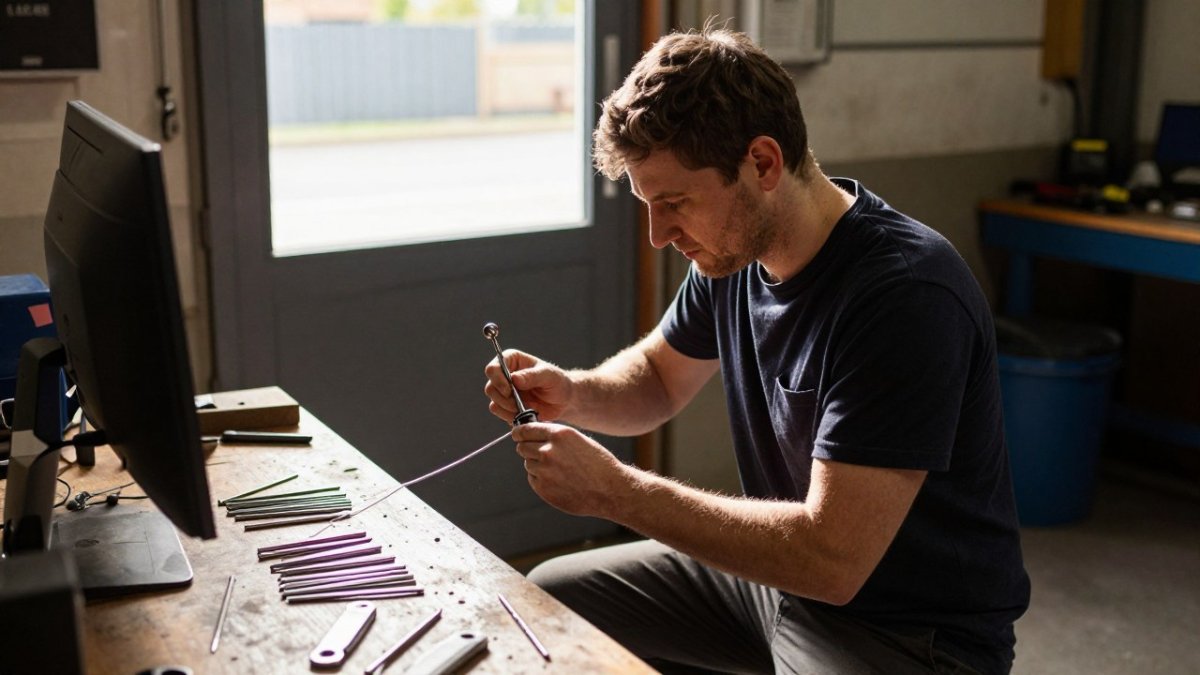
Remove the cylinder carefully, keeping the internal parts in order
Replace the pins using the new key's bitting code or a rekeying kit
Reassemble the cylinder and test it with the new key before refitting
Refit the cylinder, then test the lock from both sides of the door
Testing matters. Lock the door, unlock it, and check that the bolt moves fully and smoothly. A lock that sticks can cause problems later.
A Door-by-Door Walkthrough
A practical sequence for a typical home looks like this:
Front door. Photograph the cylinder and retaining screw before removal so you can refit them the same way. Remove the cylinder, rekey it, test the new key in the cylinder while it is still off the door, then refit and test from inside and outside.
Back door. Repeat the process. If the back door is a multi-point uPVC door, confirm the door is open and the handle is lifted to the correct position before removing the cylinder.
Side and garage entry doors. These are often overlooked. Check whether the garage door has a separate cylinder or a rim lock; if it is a rim lock, replacement is usually simpler than rekeying.
Patio and French doors. These may use a different cylinder profile or a multi-point system. Confirm compatibility before starting, and do not assume the same kit will fit every door.
Detached buildings and outbuildings. Sheds, garages and garden offices often share a key with the house. Rekey or replace these too if the same key opens them.
After each door, test the lock from both sides and keep the old cylinder parts labelled in case you need to refit anything. Once all doors are done, try every old key you were given at completion, none should operate any lock.
When DIY Rekeying Is Not the Right Call
Some jobs are better handed to a professional: restricted or patented cylinders, damaged or seized cylinders, multi-point doors that will not release the cylinder cleanly, and any lock where you cannot identify the brand or pin type.
Cost of Changing Locks UK: DIY Versus a Professional
The cost of changing locks in the UK depends on how many doors you have, the lock type, and whether you rekey or replace. We cannot give a fixed price here, because the figures depend on the lock and the work involved. Please contact Salisbury Auto Keys for a quote, and ask for pricing in GBP before any work starts.
What we can do is set out the cost structure clearly so you can compare options on a like-for-like basis. Ask any provider for a written quote in GBP that separates parts, labour and any call-out charge.
What Drives the Price
Number of doors. A single front door is a smaller job than a house with front, back, side and garage entry doors.
Lock type. Standard euro cylinders are quicker to work on than multi-point uPVC systems or restricted cylinders.
Rekey versus replace. Rekeying reuses the existing hardware; replacement adds the cost of new cylinders or locks.
Access and condition. Stiff, seized or damaged locks take longer and may need replacement parts.
Call-out and timing. Emergency or out-of-hours visits usually carry a higher call-out charge than a pre-booked daytime appointment.
How the Three Options Compare
DIY rekeying. You pay for a rekeying kit or pin set and your own time. It is the lowest cash cost, but it carries the risk of damaging a cylinder or gearbox, and the kit may only suit one lock brand.
Professional rekeying. You pay a set fee per visit plus any parts. It is faster, the work is usually guaranteed, and it avoids the risk of a DIY mistake on multi-point doors.
Lock replacement. You pay for new hardware as well as labour, so it is the highest cost of the three. It makes sense when the existing lock is worn, damaged or below the standard you want.
A Simple Decision Guide
Choose DIY rekeying if you have standard, non-restricted cylinders, the right kit for the brand, and the confidence to remove and refit a cylinder without forcing it.
Choose professional rekeying if you have multi-point doors, restricted cylinders, several entry points, or simply want the work guaranteed.
Choose replacement if any lock is stiff, loose, cracked, or does not meet BS3621 and you want to upgrade at the same time.
Factor in the value of your time and the risk of getting it wrong. A professional visit often makes more sense for multi-point locks and for homes with several entry points. Always ask for the quote in GBP, confirm what the call-out charge covers, and check whether parts are included before any work starts.
The table below compares the three routes to new locks and the main cost drivers, using only the points covered in this section.
Option | Cost structure | Best for |
DIY rekeying | Rekeying kit or pin set plus your own time | Standard, non-restricted cylinders you can remove safely |
Professional rekeying | Set fee per visit plus any parts | Multi-point doors, restricted cylinders, several entry points |
Lock replacement | New hardware plus labour | Worn, damaged or sub-standard locks |
Number of doors | Single front door is smaller than a whole-house job | Budgeting the scope of work |
Call-out timing | Out-of-hours usually costs more than a daytime booking | Planning when to book |
How to Verify a Locksmith Before You Hire One
If you decide to bring in a professional, check their credentials before they arrive. A reputable locksmith should be able to show proof of their accreditation and insurance.
Ask whether they are accredited by a recognised trade body, such as RAC for auto work, and ask for evidence of accreditation
Confirm they carry public liability insurance
Check they provide a clear guarantee on the work and the terms that apply
Look for an established local presence and genuine customer reviews
Our own guide on signs of a reputable mobile locksmith sets out seven checks to run before you hire anyone. You can also read how to verify locksmith accreditation for a step-by-step approach to confirming credentials. If you are concerned about cover in case something goes wrong, see how to verify an insured auto locksmith and why trade association membership matters.
BS3621 Lock Standards and What They Mean for Your Home
BS3621 is the British Standard for thief-resistant cylinder locks, and it is widely used in UK domestic doors. A lock that meets BS3621 has been tested against a defined level of attack, which makes it a useful benchmark when you are choosing a replacement.
When you rekey, the existing cylinder usually stays. If the cylinder does not meet BS3621, you may want to replace it with one that does. Check the lock's markings or ask a professional to confirm the standard before you decide.
Book Your Lock Check and Secure Your New Front Door
Moving into a new home is the right time to take control of your locks. Rekeying can be a practical option, and a professional check can help confirm the work is done properly. Salisbury Auto Keys is a RAC-accredited, fully insured, family-run business serving Wiltshire, Hampshire, Dorset and parts of Somerset, and we back our work with a 12-month guarantee. Ask us now for a clear quote and a lock check at your home, workplace or roadside.
Frequently Asked Questions
Is it better to rekey or replace locks when moving house?
Rekeying is usually the quicker and cheaper choice when the existing locks are in good condition and up to standard, because it changes the internal pins so that previous keys no longer work. Replacing is better when locks are worn, damaged, or fall below the BS3621 standard. Many new homeowners rekey the front and back doors first, then review the rest of the property once they know the condition of the hardware.
How much does it cost to rekey locks in the UK?
Prices vary by locksmith, the number of locks, and the type of hardware involved, so you should request a written quote before any work begins. Please contact Salisbury Auto Keys for a current quote based on your property. Asking for a full breakdown of call-out and labour charges helps you compare the cost of changing locks UK-wide with confidence.
Can a locksmith rekey any type of door lock?
Most common cylinder locks can be rekeyed, but some high-security or multi-point systems need specialist equipment or a full replacement.
Do I need to change the locks on a new build property?
Not always, but it is sensible to ask the developer who holds keys and whether the locks were keyed alike across the property. New builds often have keys distributed to site workers, agents, and sub-contractors, so rekeying gives you a set of keys that only you hold.
Comments