
Signs Your Car Ignition Cylinder Needs Repair
Last Updated: November 19, 2026
Quick Summary
The most common early sign your ignition cylinder needs repair is a key that sticks, grinds or needs jiggling to turn. If your spare key turns smoothly, the problem is your worn key, not the lock. If both keys catch, the barrel itself is worn and should be checked before it locks solid.
A key that will not come out usually means the cylinder is not returning to the turn-off position.
If the key turns freely but the dash stays dark, the fault is the ignition switch, not the lock.
Never drive with a faulty ignition cylinder, as it can cut power and lock the steering mid-drive.
Repair or rekeying the existing cylinder is usually the cheapest repair route.
Call a professional once the key will not turn after trying the spare and releasing the steering lock.
Is your key sticking or grinding?
Salisbury Auto Keys offers mobile ignition cylinder repair across the South West, fully insured and guaranteed.
Table of Contents
Ignition Lock Cylinder Symptoms You Should Never Ignore
A sticking key is the most common early sign of a worn ignition cylinder, and it rarely fixes itself. A stiff key that is ignored for months can finally lock solid. The ignition cylinder is the slotted barrel your key slides into.
Here are the warning signs worth acting on:
The key grinds or catches as you turn it
You have to jiggle the key to get it to turn
The key sticks in the barrel or will not come out
The key only works at a certain angle
The steering lock feels tighter than usual
The dashboard lights flicker as you turn the key
Ignore these and you risk a key that snaps off inside the barrel. That turns a simple repair into a bigger job.
The Key Sticks, Grinds or Refuses to Turn Smoothly
A key that grinds is telling you the cylinder tumblers are worn or dirty. Try the spare key first. If the spare turns smoothly, the problem is your worn key, not the lock.
If both keys catch, the barrel itself is worn.
The Key Gets Stuck or Will Not Come Out
A key that will not come out usually means the cylinder is not returning to the turn-off position. Sometimes the steering wheel lock is holding it.
If that fails, do not force it. For a step-by-step walkthrough, see our guide on what to do when your car key breaks in the ignition.

(https://www.rac.co.uk/drive/advice/know-how/help-my-car-wont-start-what-do-i-do/)). Silence, or a single click, points away from the cylinder and toward the battery, starter motor or starter relay. The trick is to work through the possibilities in a fixed order so you do not pay for a cylinder you did not need.
A symptom-to-cause checklist
Use this sequence before you book any repair. Each step rules out one system and narrows the next.
Does the key turn freely? If it fights you, grinds or sticks, the ignition cylinder is the prime suspect. Go to the cylinder checks below. If it turns smoothly, the lock is probably fine and the fault is electrical.
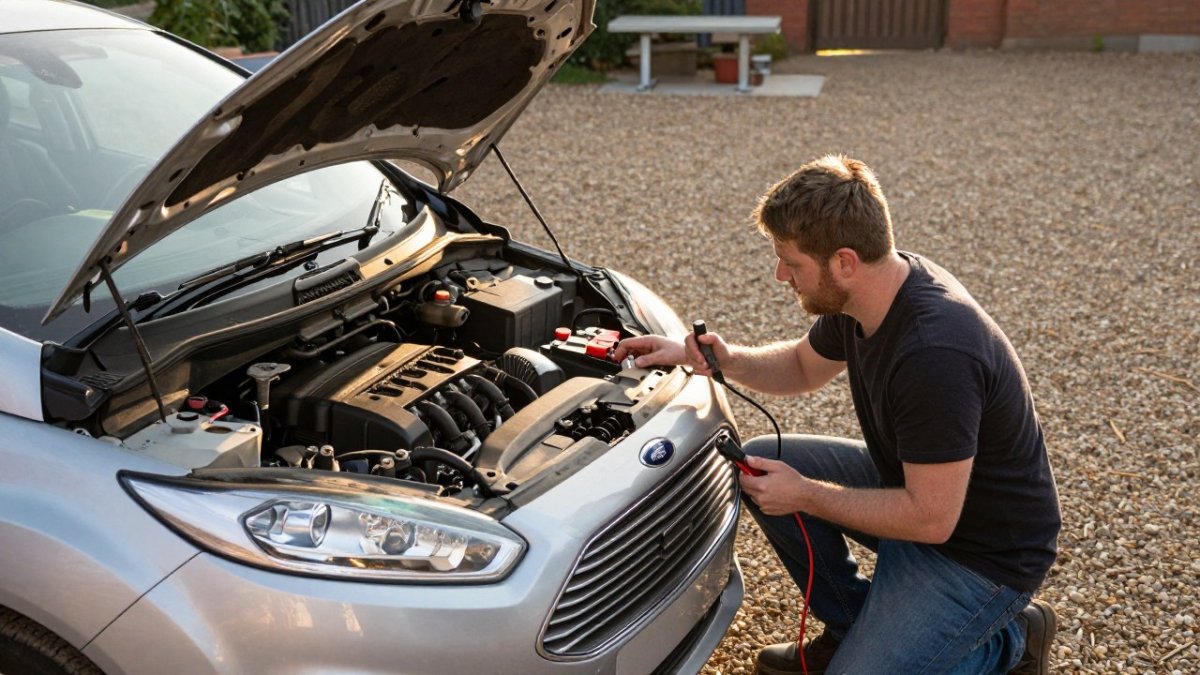
Do the dashboard lights come on? With the key at the run position, the battery, oil and engine warning lights should illuminate. If the dash stays dark, power is not reaching the ignition switch or the battery is flat. Check the battery terminals and earth straps first.
Is there a single click or total silence? A single click usually means the starter solenoid is engaging but the motor is not turning, often a flat battery or a failing starter. Total silence suggests no signal from the ignition switch, a blown fuse or a dead battery.
Does the engine crank but not fire? Cranking without firing is a fuel or ignition system fault, not the lock cylinder. The starter is working, so the cylinder and switch are doing their job.
Does it start sometimes? Intermittent starting is the hardest to pin down. Bumpy roads can jiggle a worn switch contact, so the fault comes and goes. Note when it happens, cold mornings, after a long drive, over speed bumps, because that pattern is gold for a technician.
Cylinder-specific no-start signs
Some no-start faults do point to the cylinder. Watch for these combinations:
The key will not insert at all, or only goes in partway.
The key inserts but will not rotate past the first position.
The key turns but feels loose and sloppy, as though the tumblers are not gripping.
Watch out: forcing a stiff key to crank the engine is how keys snap inside the barrel. If the key will not turn, stop and treat it as a cylinder fault rather than a starting fault.
What intermittent starting tells you
Intermittent starting rarely means the cylinder is worn out completely. More often it is a worn ignition switch behind the barrel, a loose connection at the starter, or a failing relay. A common pattern is a car that starts fine from cold but refuses to restart when hot, which points to the starter motor rather than the lock. Keep a simple log of when it fails and what you did just before, that record often saves an hour of diagnostic time and therefore money on the bill.
Ignition Cylinder vs Ignition Switch: How to Tell the Difference
The ignition cylinder is the mechanical lock your key goes into. The ignition switch is the electrical part behind it that sends power to the starter and accessories. They are two different parts, and mixing them up costs money.
Use this quick test:
Symptom | Likely Part |
Key hard to turn, grinds or sticks | Ignition cylinder |
Key turns freely but nothing happens | Ignition switch |
Dashboard lights cut out mid-turn | Ignition switch or wiring |
Key will not insert at all | Ignition cylinder |
If your key turns freely but the dash stays dark, the lock is fine. The fault is electrical. If the key fights you, the cylinder is the culprit.
Is It Safe to Drive With a Faulty Ignition Cylinder?
No. A faulty ignition cylinder can cut electrical power while you are driving.
Watch out for any car that stalls or loses power at random. Stop driving and get it checked.
If the key is stuck and the car is parked safely, do not force it. Call a professional rather than risk snapping the key or damaging the steering column.
Ignition Cylinder Replacement Cost and What Affects the Estimate
Ignition cylinder replacement cost depends on the vehicle, the part and the labour involved. For a quote tailored to your vehicle, contact Salisbury Auto Keys. What we can do is set out the repair options and the factors that move the estimate, so you can judge a quote when it arrives.
The three repair routes
Ignition cylinder repairs generally fall into one of three approaches:
Repair or rekey the existing cylinder. If the barrel is worn but not broken, a locksmith can sometimes strip, clean and rebuild it, or rekey it to a new key. This is usually the cheapest route and keeps your original keys working.
Replace the cylinder only. A new barrel matched to your existing key, or supplied with a new key, is the common middle route. It costs more than a rebuild but less than a full switch assembly.
Replace the cylinder and ignition switch together. If the electrical switch behind the barrel is also worn, replacing both in one visit avoids paying labour twice. This is the most expensive option but the most durable.
What drives the estimate
The part: a basic barrel costs far less than a coded unit with an immobiliser chip.
The immobiliser: coded keys need programming, which adds time and equipment.
The steering column: some models need more of the dash and column shrouding removed to reach the cylinder.
The keys: rekeying or supplying new keys adds to the bill, and a second key is worth having.
What a repair appointment involves
A typical mobile visit runs through diagnosis first, then the repair. The technician confirms the cylinder is at fault rather than the switch, battery or starter, removes the steering column shrouding, extracts the old cylinder, fits the replacement, and then tests every key position. If the vehicle has an immobiliser, the new key or cylinder is programmed to the car before the job is signed off.
Getting a fair quote
Ask for a clear quote before work starts, and confirm what it includes. For current prices, contact Salisbury Auto Keys directly. For a clearer picture on one common model, our Ford ignition cylinder replacement cost guide breaks down what affects the quote.
When to Call a Professional Auto Locksmith
Call a professional when the key will not turn after you have tried the spare and released the steering lock.
A mobile auto locksmith comes to you, at home, work or the roadside. If you are weighing up your options, our comparison of a mobile auto locksmith versus dealership key replacement sets out the differences.
Before you book anyone, check their credentials. Our guide on how to verify an accredited auto locksmith shows what to ask. It is also worth knowing the average emergency callout cost so you can judge whether a quote is fair.
At Salisbury Auto Keys, we are RAC-accredited, fully insured and family-run. We cover Wiltshire, Hampshire, Dorset and parts of Somerset, and every job carries a 12-month guarantee.
Ask Us Now About Your Ignition Cylinder Repair
A stiff key can become a snapped key if it is left unchecked. If any of the signs above sound familiar, do not wait for the barrel to lock up completely.
Salisbury Auto Keys offers a fully mobile service, so we come to your home, workplace or the roadside.
Get started with Salisbury Auto Keys and get your ignition cylinder sorted before it leaves you stranded.
Frequently Asked Questions
What are the signs of a failing ignition lock cylinder?
The clearest ignition lock cylinder symptoms are a key that sticks, grinds or needs jiggling before it turns, a key that will not come out in the off position, and intermittent starting where the engine sometimes cranks and sometimes does nothing. You may also notice the steering wheel lock refusing to release or the key turning freely without engaging the starter. Any of these point to wear inside the cylinder tumblers and are worth checking before the fault leaves you stranded.
Can a worn car key cause ignition problems?
Yes. A worn or damaged key is one of the most common reasons a car key won't turn in the ignition. Years of use wear down the key's cuts, so the tumblers no longer line up cleanly and the barrel feels stiff or refuses to rotate. Before assuming the cylinder is at fault, try a spare key. If the spare works smoothly, the key is worn and a replacement cut is the cheaper fix. If both keys struggle, the cylinder itself is likely worn.
How can I tell if the problem is the ignition cylinder or the ignition switch?
The ignition cylinder is the mechanical barrel the key slots into; the ignition switch is the electrical component behind it that sends power to the starter. If the key is hard to insert, sticks or will not turn, the cylinder is the likely culprit. If the key turns normally but the dashboard lights, radio or starter do nothing, the switch or its electrical connection is more likely. A diagnostic inspection by an auto locksmith confirms which part needs attention.
Can an auto locksmith repair or replace an ignition cylinder?
A fully mobile auto locksmith can diagnose, replace and rekey an ignition cylinder at your home, workplace or roadside, often without a dealership visit. Ask about the guarantee before booking. Salisbury Auto Keys offers a 12-month guarantee on its work and is fully insured.

Comments