
How to Prevent Locking Keys in Your Car
Table of Contents
Common Reasons Keys Get Locked Inside a Car
Car Lockout Prevention Tips: Your Daily Exit Routine
The three-step check before closing your door
Keeping your key fob with you at all times
Locking the Car from Outside Rather Than Interior Controls
Understanding Keyless Car Keys Locked Inside Issues
How keyless-entry systems work and their lockout risks
Automatic-lock behaviour and vehicle-specific settings
Car Key Spare Options and Backup Access
Where to safely store a spare key
Making a spare before you need it
Keys Locked in Car: What to Do Immediately
First steps to take and who to call
Why professional locksmith help is faster than dealership options
Frequently Asked Questions
Last Updated: October 10, 2026
Common Reasons Keys Get Locked Inside a Car
While it's easy to prevent locking keys in car, it happens more often than you'd think. The most common cause is simply rushing. You grab your shopping bags, close the door, and realise too late that your keys are still on the seat.
Keyless-entry systems create a false sense of security. Many drivers assume the car will lock automatically, so they don't check. Then they walk away and hear nothing. The doors stay open. Or worse, they close with the keys still inside.
Habit is another culprit. Children and pets can also hit lock buttons by accident, leaving keys locked inside while you're loading the boot.
Weather adds pressure too. On a freezing morning or during a downpour, you're moving fast. Speed and cold don't mix well with careful checking.
Pro Tip The single biggest prevention tool is a repeatable exit routine. Do the same thing every time you leave your car, it becomes automatic, like brushing your teeth. Routine beats willpower.
Car Lockout Prevention Tips: Your Daily Exit Routine
The best way to prevent locking keys in car is to build a habit so strong you do it without thinking. Here's how.
The three-step check before closing your door
Step 1: Locate your key fob or mechanical key. Before you even unbuckle your seatbelt, know where your keys are. If you can't see them, check the cup holder, door pocket, and centre console.
Step 2: Hold your keys in your hand. This is the critical move. Not in your pocket. Not on the seat. In your hand.
Step 3: Check the car before you close the door. Scan the driver's seat, passenger seat, and back seats. Glance at the cup holder and door pockets. This takes three seconds. Do it every time.
Once you've done this three-step check, close the door and lock it from outside using your key fob or mechanical key. Not the interior lock button. Outside.

Keeping your key fob with you at all times
Your key fob should never leave your hand until you're safely inside your destination. Not on the seat. Not in the door pocket. Not balanced on the roof while you load shopping.
Carry your fob in your dominant hand as you exit. This creates a physical barrier to forgetting it. Your hand knows it's there. Your brain registers the familiar weight.
If you use a mechanical key, clip it to your bag or pocket immediately. Make it part of your exit routine, key goes into pocket before you close the door.
Many drivers keep a spare key fob on their keychain as backup. This is wise, but it doesn't solve the problem if you lock both inside. The real solution is never leaving your primary fob in the car in the first place.
Locking the Car from Outside Rather Than Interior Controls
This single change stops most lockouts. Lock your car from outside using your key fob or mechanical key, never rely on the interior lock button.
Sheanglih Konyak
When you use the interior button, you're locking the car while you're still inside it. If your keys are on the seat, you've just trapped them. You've also trained yourself to ignore whether your keys are actually with you.
Using your key fob forces you to have your keys in hand. You physically cannot lock the car without them. This is the behaviour change that matters.
Press the lock button on your fob as you walk away. Hear the click or beep. Confirm the doors are locked. This routine takes five seconds and prevents most lockouts.
For mechanical keys, use the key to lock the driver's door from outside. Yes, it's slightly slower than a fob. That's the point. The extra step makes you pause and think.
Watch Out Using the interior lock button while your keys are on the seat is the fastest way to lock them inside. This single habit change, locking from outside instead, eliminates the majority of preventable lockouts.
Understanding Keyless Car Keys Locked Inside Issues
Keyless-entry systems are convenient. They're also dangerous if you don't understand how they work.
How keyless-entry systems work and their lockout risks
Keyless entry uses a wireless signal between your key fob and the car (Latest Consumer Security Rating issued). You press a button, the car receives the signal, and the doors unlock. No physical key needed.
The problem: if your fob is inside the car and the battery dies, you're locked out. The car can't receive a signal from a dead fob. You can't unlock it remotely.
Many newer cars have a backup mechanical key hidden inside the fob itself. Check your fob. Press a button or slide a panel.
Some vehicles have a backup unlock method using your phone. Download the manufacturer's app, and you might be able to unlock remotely. But this only works if the car's battery isn't completely dead and the app is already set up.
Automatic-lock behaviour and vehicle-specific settings
Many modern cars lock automatically after you walk away with the fob. This is called walk-away locking. It's designed to prevent you forgetting to lock up.
The catch: if your fob is inside the car, the car will lock itself with the fob trapped inside. You've just created a lockout without realising it.
Check your vehicle's manual or settings menu. Most cars let you disable walk-away locking.
Some vehicles have a key-detection feature. The car recognises when the fob is inside and won't lock automatically. Check whether your car has this. If it does, it's one less thing to worry about.
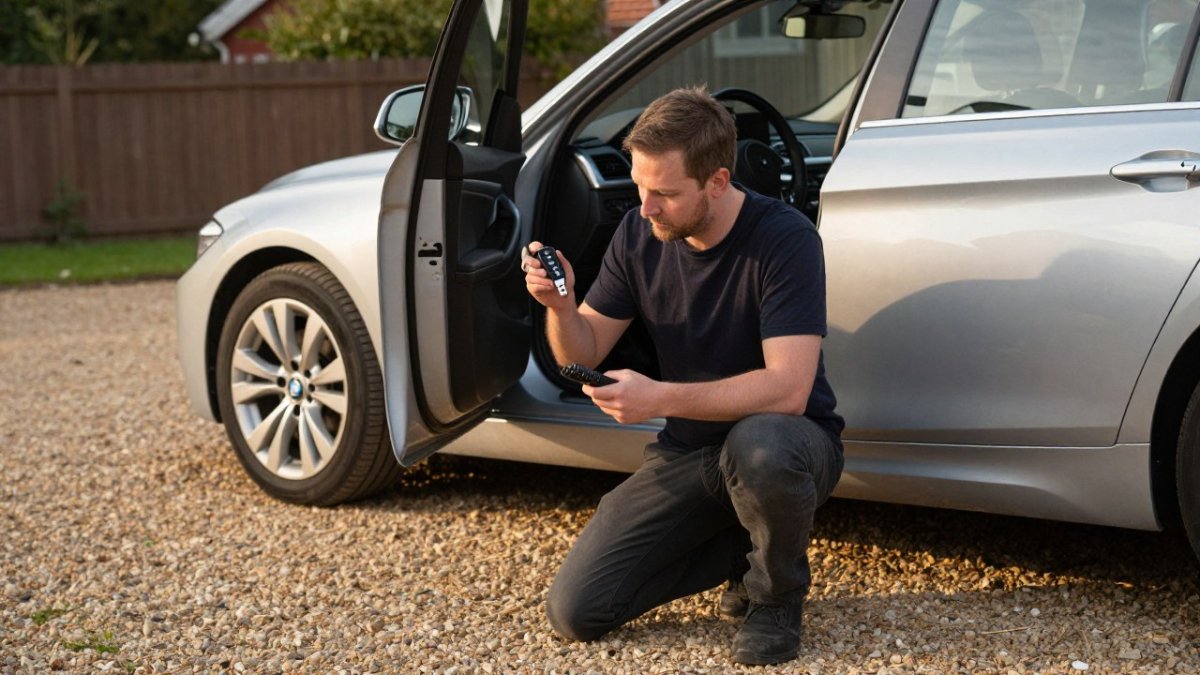
Different manufacturers handle this differently. A BMW's keyless system works differently from a Ford's or a Volkswagen's. Read your manual. Understand your specific car's behaviour. This knowledge prevents lockouts.
Car Key Spare Options and Backup Access
Even with perfect prevention habits, lockouts still happen. Having a backup plan matters.
Where to safely store a spare key
A spare key should be accessible but not obvious. Never hide it under the car, under the bumper, in a magnetic box, or taped to the frame. Professional thieves know these spots. So do amateur ones.
Better options:
At home with a trusted person. Give a spare to a family member or close friend who lives nearby. They can bring it to you. This takes time, but it's secure.
In a lockbox at home. Store your spare in a secure location at your house. When you're locked out, you can go home and retrieve it. This only works if you're close to home.
In your workplace. If you have an office or workspace, keep a spare in a locked drawer. This helps if you're locked out during work hours.
Never in your car. Not in the glove box, not under the seat, not anywhere inside the vehicle. If your keys are locked inside, a spare inside the car does you no good.
The worst place for a spare is anywhere obvious outside the car. A lockout situation is stressful. A thief watching you retrieve a key from a hiding spot is a security risk.
Making a spare before you need it
Don't wait until you're locked out to make a spare key. Get one made now.
For mechanical keys, any locksmith or hardware shop can cut a spare. It takes minutes.
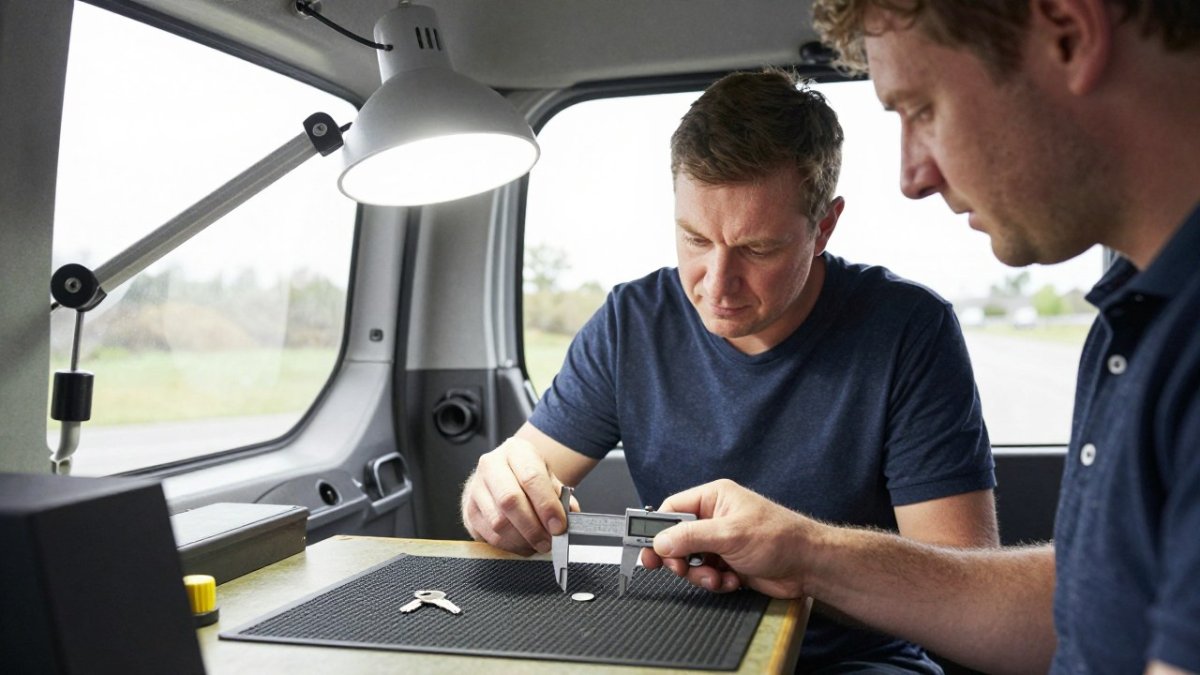
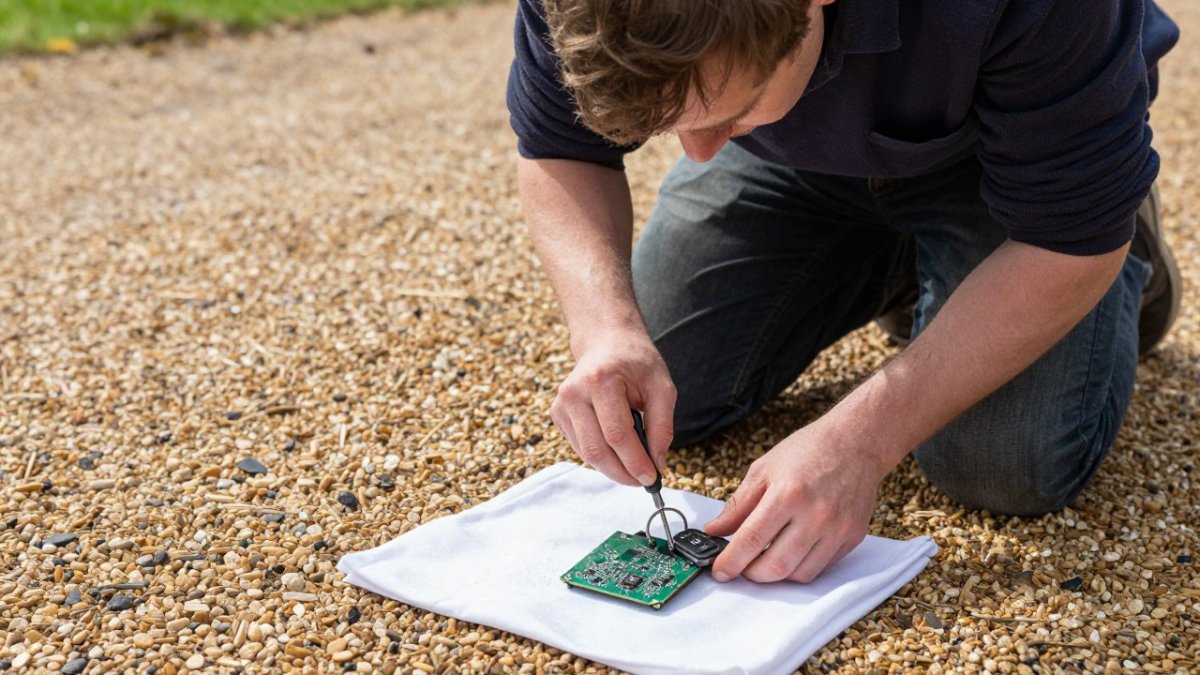
For key fobs, the process is more complex. Many fobs must be programmed to your specific car. A dealership can do this, but it's expensive. Some independent locksmiths can also program fobs. Check locally.
For keyless-entry fobs, making a spare at home is not possible. You need professional equipment. Budget for this now, while you're calm and thinking clearly. Don't discover the cost when you're locked out in the rain.
Spare Key Type | Where to Get It | Typical Timeframe | Storage Location |
Mechanical key | Locksmith or hardware shop | Same day | Home with trusted person |
Key fob | Dealership or specialist locksmith | 1-3 days | Home in secure location |
Keyless remote | Dealership or specialist locksmith | 1-3 days | Home in secure location |
Keys Locked in Car: What to Do Immediately
You've done everything right, and your keys are still locked inside. Here's what to do now.
First steps to take and who to call
Stay calm. Panic leads to poor decisions. You're not in danger. Your car is fine. This is solvable.
Assess the situation. Is anyone else in the car? If yes, call emergency services immediately, 999 in the UK (999 and 112: the UK's national emergency numbers). If no, proceed.
Check for open windows or doors. Sometimes a window is cracked open. You might be able to reach the lock button or unlock the door manually. Don't break anything trying.
Call a professional locksmith. This is your fastest option. A qualified locksmith can open your car in minutes. They have the right tools and training.
Many locksmiths in the UK operate 24/7. Search "emergency locksmith near me" or "car locksmith near me" on your phone. Call several and compare response times.
Avoid trying to break in yourself. You risk damaging your car. You might trigger the alarm. You might accidentally lock the doors even more firmly.
Why professional locksmith help is faster than dealership options
A dealership can help, but it's usually slower and more expensive.
Dealerships require an appointment or a long wait. They need to verify you own the car, bring ID and proof of ownership. They'll charge a call-out fee plus labour.
A professional locksmith responds faster. They work on the roadside, at home, or at your workplace.
Locksmiths also carry spare keys for common car models. If your car is a popular model, they might be able to make a key on the spot. You leave with a working key and a spare.
At Salisbury Auto Keys, we understand the stress of a lockout. Our fully mobile service means we come to you, whether you're at home, at work, or stranded on the roadside.
Key Takeaway A professional locksmith is your fastest, safest, and usually most cost-effective option when keys are locked in your car. They respond quickly and often provide a spare key on the spot.
Locking your keys in your car is frustrating, but it's preventable. Contact us today for emergency car key assistance or to arrange a spare key before you need it.
Frequently Asked Questions
What's the best way to avoid locking your keys in the car?
Develop a consistent exit routine: check both front seats and the back seat before closing the door, keep your key fob in your hand or pocket rather than on the seat, and lock the car from outside using the key fob or remote rather than relying on interior lock buttons. This simple habit prevents most lockouts. If you have a keyless entry system, check your vehicle's settings for automatic-lock features and adjust them to suit your needs.
Can a spare key help prevent a car lockout?
A spare key won't prevent a lockout, but it provides essential backup when one occurs. Keep a spare in a secure location away from your vehicle, such as with a trusted family member or in a safe at home. Never leave a spare inside your car or hidden near the vehicle, as this defeats the purpose. Having a spare readily available means you can regain access without waiting for professional locksmith assistance.
How do you unlock your car if your keys are locked inside?
If you've locked your keys in the car, don't attempt to force entry yourself, as this risks damaging the vehicle. Contact a professional locksmith who can open the door safely and quickly. RAC-accredited locksmiths offer rapid response times and can arrive at your home, workplace, or roadside location. Avoid leaving the car unattended, and keep your insurance and vehicle registration details handy when calling for help.
What should I do if I lock my keys in the car?
Stay calm and assess your situation. If you're in a safe location, call a professional locksmith immediately, they typically respond faster than dealerships and cost considerably less. Provide your exact location and vehicle details. While you wait, don't attempt to break in or call a non-specialist, as this may cause damage. If you have a spare key with someone nearby, that's your quickest option. Document the incident for your own reference to prevent future lockouts.
ask us now
Comments