
Electric Car Door Lock Actuator Repair: Diagnosis and Fixes
Quick Summary
A door lock actuator repair usually means replacing the small electric motor that locks and unlocks one door. Before buying parts, check the key fob battery, the central locking fuse and the door wiring. If one door fails while the others work, the actuator is the likely cause.
Replace the key fob battery first, since a weak battery can cause patchy locking.
A single door failing while the others work usually points to that door's actuator.
A blown central locking fuse stops every door at once, so check it before replacing parts.
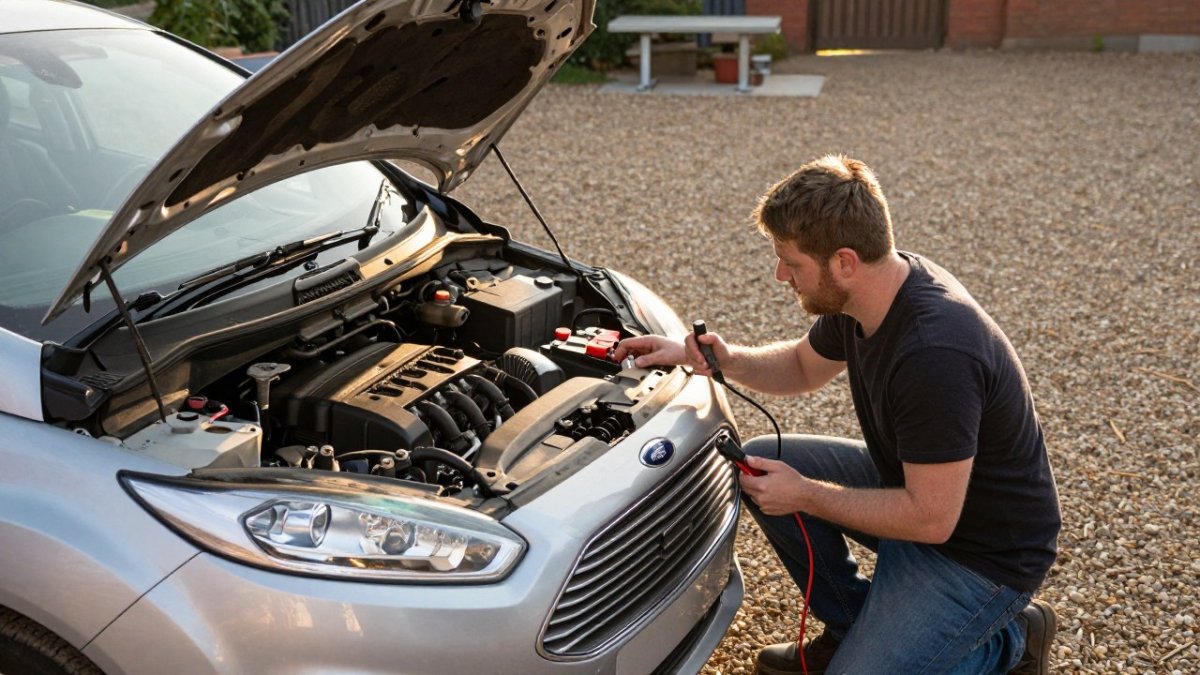
Test voltage at the actuator connector: about 12 volts should appear when you press lock.
A motor that gets power but does not move confirms the actuator has failed.
Table of Contents
What a Door Lock Actuator Does and Why It Fails
Last Updated: November 6, 2026
Your electric car door lock actuator is the small motor that locks and unlocks your door when you press the fob or the button on the door panel, and it is the part you need to check first if a door stops responding. Knowing how a door lock actuator repair differs from a simple battery or fuse fix helps you avoid unnecessary cost. When it stops working, the door may refuse to lock, unlock on its own, or do nothing at all. This guide shows you how to tell what has gone wrong.
Each door has its own actuator. Inside, a small electric motor turns a gear, which moves a rod or cable linked to the latch. When you lock the car, the motor pushes the rod one way. When you unlock, it pulls the other way.
Actuators fail for a few common reasons:
The motor wears out after years of use
The gears inside strip or crack
Water gets in and corrodes the contacts
The wiring to the door becomes damaged or loose
The rod or linkage sticks or bends
Cold weather, damp conditions and daily use all speed up wear. That is why a door that worked fine last winter may stop responding this year.
Door Lock Actuator Symptoms to Look For
Symptoms tell you a lot about the problem. Check for these signs:
One door will not lock or unlock while the others work
The door locks, then springs back open a moment later
You hear a clicking sound from inside the door but nothing moves
The lock works only some of the time
The door locks or unlocks by itself while driving or parked
The door feels stiff or does not latch shut properly
A single door that behaves differently from the rest usually points to that door's actuator. If every door fails at once, the fault is more likely in the fob, a fuse or the central locking control unit.
Checking the Key Fob, Fuses and Wiring Before You Blame the Actuator
Before you buy a new actuator, rule out the simple causes. Many people replace the wrong part.
Key fob battery: A weak battery can cause patchy locking. Replace it with a fresh coin cell and test again.
Fuses: Look up the central locking fuse in your owner's manual and check it. A blown fuse stops every door at once.
Wiring: Check the connector where the wiring loom plugs into the door. Look for corrosion, loose pins or chafed wire.
Manual override: Try the interior lock knob and the key in the door. If the door unlocks by hand, the mechanism is working.
If your key itself is broken or stuck, follow the steps in our guide on what to do when a car key breaks in the ignition. You can also see how to get a Ford key fob battery replaced if the fob is the weak link.
Watch out: Disconnecting the battery can reset some electronic systems. Note any radio codes before you start.
How to Test a Door Lock Actuator Step by Step
Testing helps you confirm the actuator is at fault before you spend money. The aim is to separate a failed actuator from a switch, fuse, wiring or control-unit fault. Work through these checks in order and note what you find at each stage.
Listen first. Press the lock button and listen at the door. A buzz or click means the motor gets power. Silence points to power or wiring.
Check the voltage at the actuator connector. Use a multimeter set to DC volts. Back-probe the actuator connector while someone presses the lock button. You should read around 12 volts on the lock circuit and again on the unlock circuit, with the polarity reversing between the two. If you see no voltage on either, the fault is upstream: fuse, relay, door switch or central locking control unit.
Check the ground. With the connector unplugged, test the earth wire for continuity to the car body. A resistance reading above about 1 ohm suggests a poor earth.
Test the actuator directly. With the connector unplugged, touch the two pins to a 12-volt supply. Reverse the wires to check it moves both ways. If it does not move, the actuator has failed. If it moves freely on the bench but not in the car, the fault is in the wiring or control side.
Check the door switch and key fob. If the actuator works on the bench and receives power in the car, test the interior lock switch and the key fob. A faulty switch can send no signal, and a weak fob battery can cause patchy operation.
Recheck after each step. Reconnect everything and test the lock to see whether the fault has cleared.
Keep the test short. Do not leave power on the actuator for long, as the motor can overheat.
A common pattern is that the actuator receives power but does not move, which confirms the motor or gears have failed. If power is present at the connector but the actuator is silent, replace the unit. If no power arrives, trace the circuit back through the fuse, relay and door switch before buying parts.
The article's test sequence can be summarised as follows, so you can work through the checks in order.
Step | What to check | Expected result |
Listen | Buzz or click at the door when locking | Sound means motor has power |
Voltage | DC volts at actuator connector during lock press | About 12 volts, reversing between lock and unlock |
Ground | Continuity from earth wire to car body | Resistance above about 1 ohm suggests a poor earth |
Bench test | Actuator with connector unplugged, on 12 volts | Moves both ways when wires are reversed |
Switch and fob | Interior lock switch and key fob | A faulty switch or weak fob battery can cause patchy operation |
Recheck | Lock operation after each step | Fault cleared confirms the cause |
Door Lock Actuator Replacement: Tools, Steps and Safety Precautions
If testing points to a failed actuator, replacement is often a manageable job for a careful DIYer.

Tools you will need:
Trim removal tool or a flat plastic pry bar
Socket set and screwdrivers
Multimeter
Replacement actuator for your make and model
Gloves and a torch
Basic steps:
Disconnect the vehicle battery.
Remove the screws holding the interior door panel and unclip it carefully.
Peel back the water barrier, keeping it intact for resealing.
Unclip the rod or cable from the actuator, then unbolt the actuator.
Fit the new unit, reconnect the rod and plug in the connector.
Reconnect the battery, test the lock, then refit the panel.
Safety precautions:
Check for airbag wiring near the door panel and avoid cutting or pulling it
Wear eye protection when prising off trim
Work on a level surface with the handbrake on
If you are unsure, or the car has a complex door system, leave the job to a professional.
Car Door Lock Actuator Replacement Cost and Repair or Replace Decisions
Costs depend on the make and model and whether you do the work yourself. Parts prices depend on the car and supplier, and labour rates differ between garages and mobile services. Pricing depends on the vehicle, the parts sourced and whether the work is done at a garage or by a mobile service. For a current quote, please visit the Salisbury Auto Keys website or contact the team directly. You can compare auto locksmith and dealership pricing to see how the two options differ.
When deciding whether to repair or replace, consider these points:
Repair the actuator only if the fault is a damaged connector, a loose linkage or a stripped gear that can be replaced separately. This is practical on some older vehicles where the motor and gearset are available as a repair kit.
Replace the actuator if testing confirms the motor no longer moves. This is the most common outcome and is usually more reliable than repeated repairs.
Replace the complete latch assembly if the actuator is integrated into the latch and cannot be separated, or if the latch mechanism itself is worn or damaged.
Weigh the cost of parts, the time it will take and whether a mobile service can come to you. Salisbury Auto Keys offers fully mobile service, which can save a trip to a garage. If you are unsure which option suits your car, ask a specialist to confirm the correct part before you buy.
Booking Mobile Help for Your Door Lock Actuator Repair
If you have tested the fob, fuses and wiring and the door still will not respond, a professional can finish the diagnosis quickly. At Salisbury Auto Keys, we are a RAC-accredited, fully insured auto locksmith team serving Wiltshire, Hampshire, Dorset and Somerset. We come to your home, workplace or roadside, and our work is covered by a 12-month guarantee. Ask us now and we will talk you through the options for your car.
Frequently Asked Questions
What are the symptoms of a failing car door lock actuator?
The most common signs are a door that locks or unlocks only some of the time, a lock that responds to the key fob but not the interior switch (or the reverse), a clicking or whirring noise from inside the door when you press the button, and a door that will not lock at all. Some actuators fail gradually, so intermittent behaviour in cold or wet weather is often the first warning. If the fault only affects one door, the actuator in that door is the usual suspect, but check the fuse and wiring first before buying parts.
How do you test a door lock actuator?
Remove the interior door trim carefully, then disconnect the actuator's wiring plug. Using a multimeter, check for 12-volt supply when someone operates the lock switch. If power reaches the connector but the motor does not move, the actuator is faulty. You can also apply 12 volts and earth directly to the actuator terminals with a spare battery lead to confirm whether the motor turns. Always disconnect the vehicle battery before working near airbag wiring.
How much does car door lock actuator replacement cost?
Pricing depends on the make and model, whether the part is sourced as an original or aftermarket unit, and whether the work is done at a garage or by a mobile service. Our prices are not published here because they vary by vehicle, so please contact Salisbury Auto Keys directly or visit our website for a current quote. Ask whether the price includes the part, labour and the 12-month guarantee on the work.
Can I replace a car door lock actuator myself?
Many drivers can replace an actuator with basic hand tools, but the job involves removing the interior door trim, unclipping the door card and handling electrical connectors that may also carry airbag or window wiring. Disconnect the vehicle battery first, take photographs as you go, and keep track of every fixing. If the door panel or wiring looks damaged, or you are unsure which connector is which, a qualified auto locksmith is the safer option.
Comments