
7 Steps to Source High-Quality Blank Car Keys
Last Updated: October 25, 2026
Quick Summary
Blank car keys must match your vehicle's exact key profile, transponder chip type, and physical dimensions to work reliably. Source them from automotive locksmiths, dealerships, or online retailers, then verify compatibility with a single test blank before ordering in bulk.
Your vehicle's key code is printed on your original key or available from your dealership with your VIN
OEM blanks cost more but are guaranteed compatible, while quality aftermarket blanks offer good value for spare keys
Verify supplier credentials by checking locksmith association membership, reading independent reviews, and confirming manufacturer traceability
Test a single blank by cutting it to your key code and confirming it turns smoothly in the lock and programs correctly
Compare total cost of ownership including unit price, carriage, and failure rates rather than price alone
Table of Contents
Why Sourcing the Right Blank Car Keys Matters
Step 1: Identify Your Vehicle's Key Profile and Code
Step 2: Verify Car Key Blank Compatibility with Your Vehicle
Step 3: Compare Automotive Key Blank Suppliers
How to verify a supplier before you order
Bulk sourcing and total cost of ownership
OEM vs Aftermarket Car Keys: What You Need to Know
A practical blank-key quality inspection checklist
Choosing between the three options
Step 4: Evaluate Supplier Quality and Legitimacy
Step 5: Handle Discontinued Car Key Blanks
Step 6: Test Compatibility Before Full Purchase
Frequently Asked Questions
Why Sourcing the Right Blank Car Keys Matters
Finding high-quality blank car keys isn't just about getting a spare. It's about reliability when you need it most. A poor-quality blank can fail to cut properly, damage your vehicle's lock, or wear out within months.
The right blank car keys are precision-engineered to match your vehicle's exact specifications. They must align perfectly with your lock's internal pins and grooves. When sourcing blank car keys, you're choosing between OEM originals, quality aftermarket options, and cheaper alternatives that often disappoint.
This guide walks you through seven practical steps to source high-quality blank car keys that actually work. You'll learn how to identify what your vehicle needs, verify compatibility before you buy, and spot suppliers you can trust. By the end, you'll know exactly which blanks to order and where to get them.
Step 1: Identify Your Vehicle's Key Profile and Code
Your vehicle's key profile is the unique shape and cut pattern your lock requires. Every car manufacturer uses different profiles.
Start by finding your vehicle identification number (VIN). You'll find it on your vehicle registration document, insurance paperwork, or stamped on the dashboard near the windscreen.
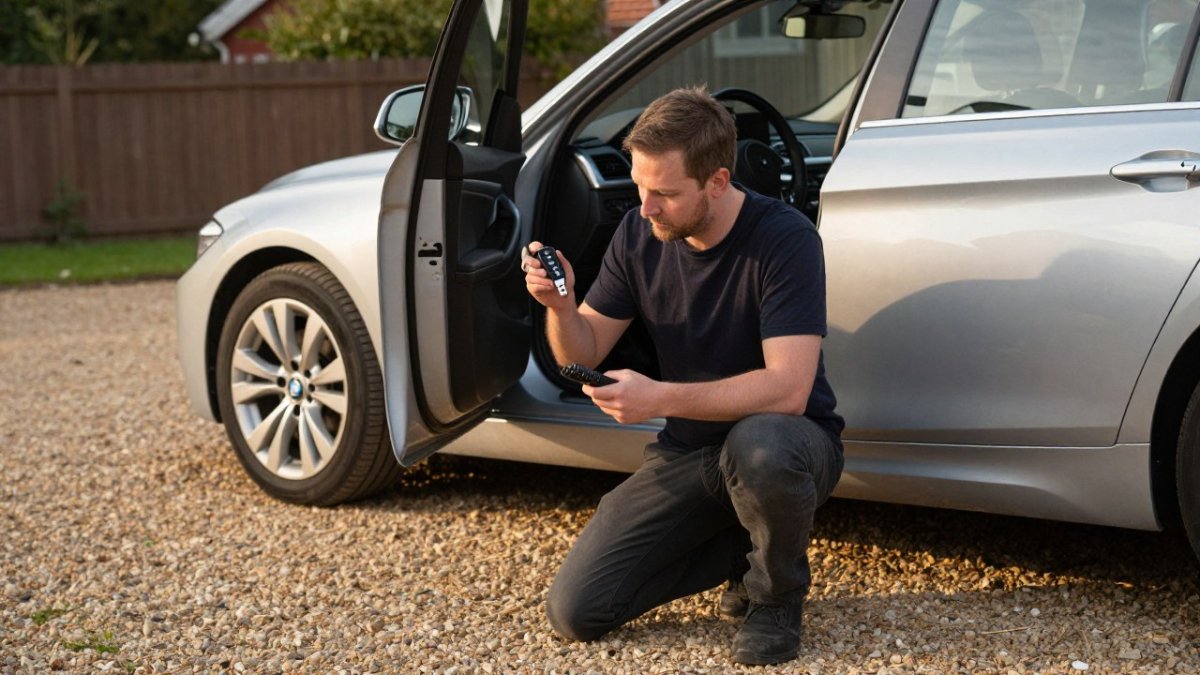
Next, locate the key code. This is printed on your original key or on a tag your dealership gave you when you bought the car.
[Link to help identifying your key type: How to identify your car key type: a simple guide]
If you've lost your original key and don't have the code, contact your vehicle's dealership with your VIN.
Step 2: Verify Car Key Blank Compatibility with Your Vehicle
Not every blank marked for your vehicle actually works. Compatibility depends on three factors: the key profile, the transponder chip type, and the physical dimensions.
The key profile must match exactly. If your car uses a HU92 profile, only HU92 blanks will fit your lock.
Transponder chips add another layer. Modern vehicles use electronic immobilizers that require the key's chip to communicate with your car's computer.
[Link to understand transponder issues: Signs your car transponder chip is failing]
Check the blank's specifications against your vehicle's requirements. Reputable suppliers list compatibility information clearly. If you're unsure, ask the supplier directly before purchasing.
Step 3: Compare Automotive Key Blank Suppliers
You have three main sources for blank car keys: automotive locksmiths, dealerships, and online retailers. Each suits a different buyer, and the right choice depends on whether you need one spare or a trade quantity.
Automotive locksmiths offer competitive pricing and fast service. Many operate mobile services and can cut and program your blank on-site. Quality varies, so check reviews and credentials before ordering.
Dealerships provide OEM blanks guaranteed to fit your vehicle. They're reliable but typically cost more. Dealerships often require you to visit in person and may have longer wait times.
Online retailers offer bulk discounts and wide selection. Shipping times vary. Quality control is inconsistent, and returns can be complicated.
[Compare auto locksmith and dealership options: Auto locksmith vs dealership: pricing & service comparison]
How to verify a supplier before you order
Before placing any order, run through these checks. They take minutes and separate legitimate trade suppliers from resellers of unknown stock.
Manufacturer traceability. Ask which manufacturer produced the blanks and request a batch or part reference. Reputable suppliers can name the manufacturer and trace a batch. Blanks from unknown sources may be counterfeit or substandard.
Batch consistency. For repeat orders, ask whether the supplier holds stock from a consistent production batch. Mixed batches increase the risk of slight profile or chip variations that cause programming failures.
Returns and warranty terms. Confirm in writing how long you have to return faulty blanks, who pays carriage, and whether cut or programmed blanks are excluded. A supplier confident in the product will stand behind it with clear terms.
Counterfeit warning signs. Be cautious of prices far below the market rate, unbranded packaging, missing part numbers, and suppliers who cannot answer basic technical questions about chip type or profile.
Trade credentials. Check whether the supplier is a member of a recognised locksmith association or trade body and carries proper insurance. Ask for proof if it is not displayed on their website.
Pro Tip For trade buyers, request a sample order before committing to a bulk purchase. Test the sample for cut accuracy, chip programming, and remote function, then compare the failure rate against the unit price saving.
Bulk sourcing and total cost of ownership
Unit price alone is a poor guide. Compare the landed cost per usable key: unit price plus carriage, divided by the proportion that pass inspection and program successfully. A slightly dearer blank with a low failure rate often beats a cheap blank with a high return rate once your time and carriage costs are included. Check stock availability and lead times too, a supplier who cannot restock a popular profile quickly will cost you more in delays than in price.
Each supplier type offers different advantages and trade-offs depending on your needs.
Supplier Type | Best For | Key Difference |
Automotive locksmiths | Single spares | Competitive pricing, fast service, can verify profile on-site |
Dealerships | Rare or discontinued profiles | OEM guaranteed fit, reliable but higher cost |
Online retailers | Bulk orders and volume | Wide selection with bulk discounts, inconsistent quality control |
OEM vs Aftermarket Car Keys: What You Need to Know
OEM blanks are manufactured by your vehicle's maker or their authorised supplier. They meet strict quality standards and are guaranteed compatible. OEM blanks cost more but rarely disappoint.
Aftermarket blanks are made by third-party manufacturers. Quality ranges widely. The best aftermarket blanks perform identically to OEM versions at lower cost.
Refurbished blanks are used blanks cleaned and resold. They're the cheapest option but carry risk. A refurbished blank might have hidden damage or wear that makes it unreliable.
For critical spare keys, OEM or premium aftermarket blanks are worth the investment. For backup keys used occasionally, quality aftermarket blanks offer good value.
A practical blank-key quality inspection checklist
Before you buy, or before you accept a delivery, inspect the blank against these criteria. Most practitioners find that failures trace back to one of these points.
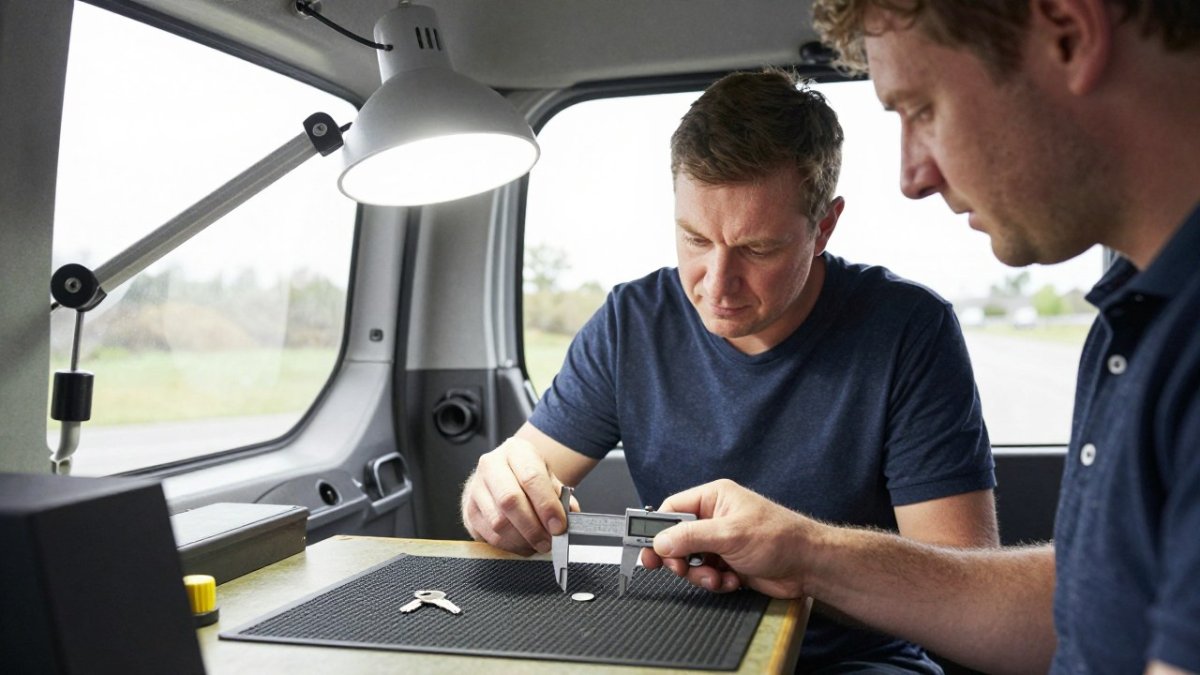
Blade material. Check the blade for consistent thickness and a clean edge. Soft or poorly tempered metal wears quickly and can bind in the lock.
Machining and profile accuracy. Compare the blank's profile against a known-good key or the manufacturer's profile reference. Grooves and shoulders should be crisp, not rounded or burred.
Finish. Look for burrs, rough edges, or plating defects. A rough blade can damage lock pins over time.
Tolerances. The blade should sit squarely in the lock without excessive play. Loose or tight fit indicates a tolerance problem.
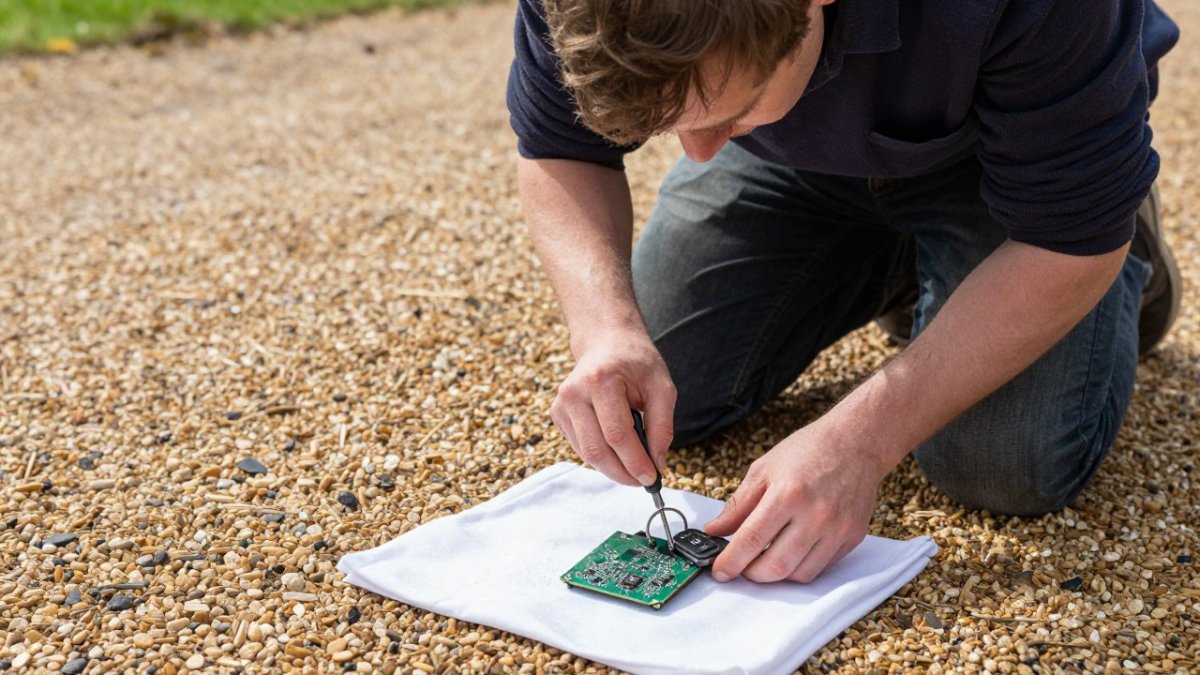
Component fit. For remote and transponder keys, check that the shell closes cleanly, the battery contacts align, and the chip sits securely in its housing.
Chip and frequency match. Confirm the transponder type and, for remote keys, the radio frequency match your vehicle's requirements before cutting.
Watch Out A blank that cuts and turns but fails to program is a compatibility failure, not a cutting failure. Test programming on a single sample before committing to a bulk order.
Choosing between the three options
Use OEM blanks for primary keys and for vehicles where aftermarket coverage is thin. Choose premium aftermarket blanks for spare keys where the supplier can evidence manufacturer traceability and batch consistency. Treat refurbished blanks as emergency-only stock, and only from a supplier who will accept returns on programming failures. In every case, verify compatibility before purchase using the vehicle details, key profile, transponder type, and part reference.
Step 4: Evaluate Supplier Quality and Legitimacy
Before ordering blank car keys, verify the supplier's credentials and track record.

Check whether they're members of recognised locksmith associations. These credentials mean they've met industry standards and carry proper insurance.
Read customer reviews on independent platforms. Look for patterns. One negative review might be an outlier.
Ask the supplier about their quality assurance process. Do they test blanks before shipping? Do they inspect cuts for accuracy?
Verify that the supplier can trace their blanks to a known manufacturer. Blanks from unknown sources may be counterfeit or substandard.
Check whether they offer a guarantee. A supplier confident in their product will stand behind it.
Step 5: Handle Discontinued Car Key Blanks
Some vehicle models have discontinued blanks. This happens when manufacturers stop producing blanks for older cars or when a model is phased out.
If your blank is discontinued, you have three options. First, contact your vehicle's dealership. They sometimes hold stock of discontinued blanks or can special-order them. This is the safest route but often the slowest and most expensive.
Second, search specialist suppliers who stock rare or discontinued blanks. These suppliers maintain inventory of older blanks for classic or less common vehicles.
Third, consider a universal blank. Some aftermarket blanks work across multiple vehicle models within a range. They're less precise than model-specific blanks but can work as emergency spares.
Step 6: Test Compatibility Before Full Purchase
Before ordering multiple blanks, test one. This small step prevents wasting money on a large order that doesn't work.
Order a single blank and have it cut to your key code. Insert it into your lock and turn it gently.
If your vehicle has a transponder chip, have the locksmith attempt to program it.
For remote keys and key fobs, test the buttons. All functions should work, lock, unlock, panic, and trunk release if equipped.
Once you've confirmed the blank works, you can confidently order more. This approach costs a bit extra upfront but saves money and frustration overall.
Frequently Asked Questions
How do I check whether a blank car key is compatible with my vehicle?
Match the key code on your existing key or vehicle documentation to the blank's profile. Check the vehicle identification number (VIN) against the supplier's compatibility chart, and verify the key blade shape, length, and transponder type (if applicable) match your make and model. Most suppliers provide compatibility guides by vehicle year and manufacturer. Test-fit the blank in your ignition and door lock before committing to a full order.
What is the difference between an OEM and aftermarket car key blank?
OEM (original equipment manufacturer) blanks are produced by the vehicle maker or authorised partners and meet exact specifications. Aftermarket blanks are made by third-party manufacturers and often cost less, but quality varies. OEM blanks typically have stricter quality assurance and longer shelf life. Aftermarket options work well for standard keys but may have compatibility issues with advanced transponder or remote systems. Always verify aftermarket blanks against your vehicle's requirements before purchase.
Where can I find a supplier of blank keys?
Automotive locksmiths, trade suppliers, online key retailers, and vehicle dealerships all stock blank car keys. Trade suppliers often offer bulk discounts and faster shipping for professional orders. Online retailers provide convenience but require careful verification of legitimacy. Check supplier credentials, read reviews on independent platforms, and confirm they hold relevant insurance and industry accreditation. Local locksmiths can also source blanks.
What should I check before buying a discontinued car key blank?
Verify the blank's availability status directly with the supplier before ordering. Confirm the vehicle year, make, and model match your car exactly, as compatibility is critical for discontinued blanks. Check whether a modern equivalent exists that offers better reliability. Review the blank's age and storage conditions, as older stock may have degraded springs or worn profiles. Consider whether a professional automotive locksmith can source a replacement or reprogram an alternative key type instead of purchasing a potentially unreliable discontinued blank.
Getting the right blank car keys starts with knowing what your vehicle needs and ends with testing before you buy. When you're ready to source blanks, take time to verify compatibility and choose a supplier with a solid track record. Our services include expert guidance on selecting the right blanks for your vehicle and can handle cutting and programming on-site if you need it. Contact us now for a consultation on sourcing the best blanks for your needs.
ask us now
Add salisburyautokeys.co.uk as a preferred source on Google →
Comments