
How to Install a Remote Car Door Unlock System
Quick Summary
To install a remote car door unlock system, first check whether your car already has central locking, since that makes the job far easier. Then fit a receiver wired to the existing lock circuits, connect a fused power supply and a clean ground, and pair the fobs. Test every door before closing up.
Cars with existing central locking are much easier to fit than cars with manual locks.
Confirm whether the car uses a positive or negative trigger before connecting any wires.
Use a multimeter, not wire colour, to identify lock and unlock wires.
A poor ground causes most random faults, so check it first when the system misbehaves.
Check your warranty before fitting an aftermarket system to a car still under manufacturer warranty.
Table of Contents
What a Remote Car Door Unlock System Does and How It Works
Last Updated: November 10, 2026
A remote car door unlock system lets you lock and unlock your car doors with a button on a key fob, without touching the lock itself. Most systems have a small receiver unit wired into the car's door lock circuits, and a fob that sends a radio signal to it.
The main parts are simple. The fob sends the signal. The receiver decodes it and decides what to do. The door lock actuators are small motors that move the locking pins. A wiring harness links them all together. Many aftermarket kits also include a relay, which handles the higher current the actuators draw.
Remote central locking is the term most people search for. It means all the doors lock or unlock together from one signal, not one door at a time.
Watch out: a poorly wired kit can drain the battery or leave doors that never lock. If your new unlock wiring has failed, our actuator repair guide covers how to diagnose a faulty door lock actuator. Check the wiring diagram for your exact model before you cut any wire.
Checking Compatibility Before You Buy a Remote Locking Kit
Not every car takes a remote kit well. The first question is whether your car already has power door locks. This decides how much work the install will be.
Work through these checks before you buy:
Does the car have central locking, or manual locks only?
Is the car a recent model with a factory key fob system?
Does the car use a CAN bus network for its door modules?
Do you have the correct wiring diagram for the model?
Existing Central Locking Versus Manual Door Locks
Cars with existing central locking are the easier job. The door actuators and the wiring are already there. You usually only need to add a receiver and connect it to the existing lock control.
Cars with manual locks need full actuators fitted to every door. That means more parts, more wiring and more time. Many owners find the cost climbs quickly, so get the full parts list first.
A common mistake is buying a universal kit without checking that its actuators fit your door. Measure the door cavity and check the rod length before ordering.
Modern Vehicles, Electronics and Warranty Risks
Newer cars use networked electronics. Door modules talk to each other over shared wiring. Adding a non-factory system can confuse those modules, trigger fault codes or disable features.
Check your warranty before you start. Fitting an aftermarket system to a car still under manufacturer warranty can give the dealer grounds to refuse a claim on related electrical faults. Keep receipts and fitting details in case you need them.
If your car has a factory alarm or immobiliser, check whether the kit will interfere with it. In some cars a poorly integrated system causes the alarm to trigger when you lock the car.
Tools, Components and a Realistic Time and Cost Breakdown
Most DIY installs need basic hand tools, a multimeter and a set of crimp connectors or solder and heat-shrink. A trim removal tool helps you take off door panels without breaking clips.
The main components are:
Receiver or control module
Fob or fobs (usually two or more)
Door lock actuators (one per door if none are fitted)
Relay or relays
Wiring loom or extension leads
Fuse holder with a suitable fuse
A realistic bill of materials for a car with existing central locking is a receiver kit with two fobs, a fuse holder, crimp connectors and heat-shrink. For a car with manual locks, add one actuator per door, rod adaptors and extra wire. Universal kits vary widely in quality; a kit with metal-bodied actuators and a clearly labelled wiring harness costs more but fails less often.
Time depends on the car. A simple install on a car with existing central locking can take two to four hours for an experienced person.
Costs vary widely by kit quality and by how many actuators you need. Pricing depends on the kit, the vehicle and the number of doors, so check current prices from the supplier. For a quote on your specific model, contact Salisbury Auto Keys directly through our website.
Watch out: buying the cheapest kit often means missing parts, poor instructions or weak relays that fail early. A kit that costs £20 less can cost far more in time and replacement parts.
The time each type of install takes, and the parts it needs, are summarised below.
Install type | Typical time | Parts needed |
Car with existing central locking | Two to four hours | Receiver kit, two fobs, fuse holder, connectors |
Car with manual locks, retrofit | A full day or more | Add one actuator per door, rod adaptors, extra wire |
Simple install, experienced person | Two to four hours | Crimp connectors or solder, heat-shrink |
Full manual-to-central retrofit, four doors | A full day or more | Actuators, rod adaptors, wiring loom |
Step-by-Step Wiring: Locating, Connecting and Testing Lock and Unlock Wires
Wiring is where most installs go wrong, so take it slowly and test at every stage.

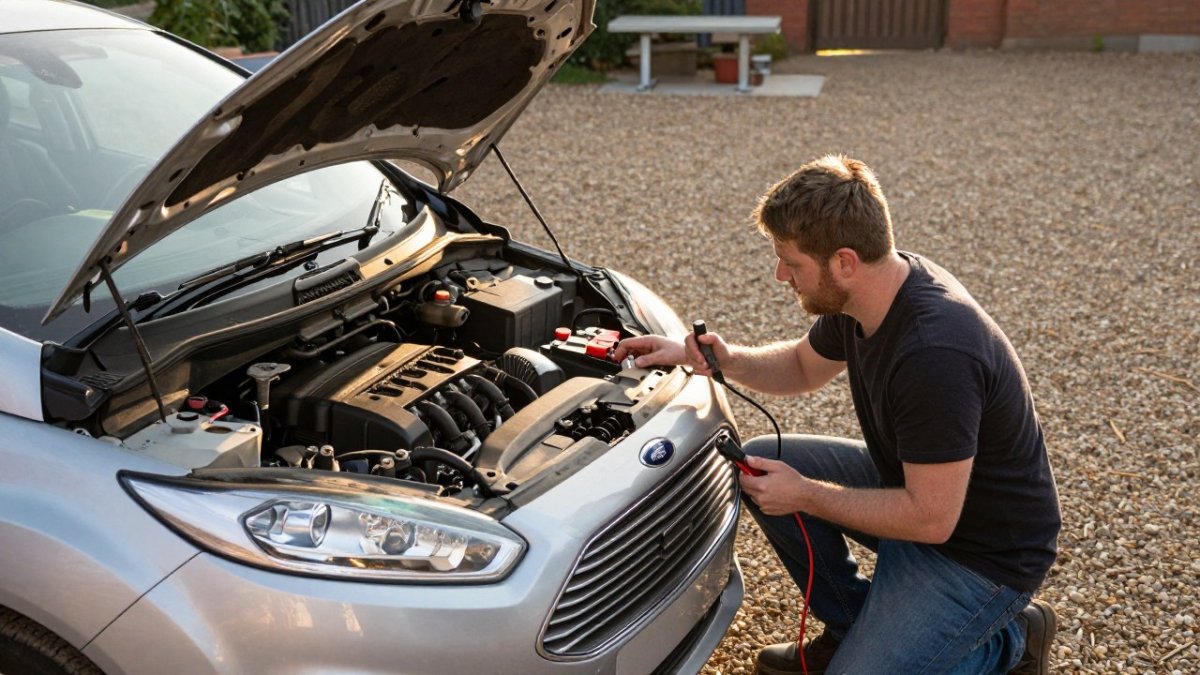
Step 2: Identify the lock and unlock wires with a multimeter. Reconnect the battery temporarily for this test only.
Step 3: Confirm the trigger type before connecting. This is the single most common cause of a dead receiver.
Step 4: Connect the trigger wires. Splice the receiver's lock output to the car's lock wire and the unlock output to the unlock wire.
Step 5: Connect power and ground. Run a fused 12 V supply from the battery or a fused accessory circuit to the receiver.
Step 6: Test before you close up. Reconnect the battery. Test lock and unlock with the fob and with the existing switch.
Watch out: a poor ground causes most random faults, including doors that lock but do not unlock and fobs that work only at close range.
Good wiring practice means crimped or soldered joints, heat-shrink on every connection, no bare wire touching metal, and a fuse on the supply.
Keyless Entry System Installation: Fob Pairing and Programming
Once the wiring is done, the receiver needs to learn the fobs. Most kits follow a similar sequence, but always check the instructions for your model.
Typical steps:
Turn the ignition on and off as the instructions describe.
Press the programming button on the receiver.
Press a button on the fob within the time limit, often around 10 seconds.
Wait for the receiver to confirm with a double flash or a chirp.
Repeat for each fob.
Some cars need a programming tool or a specific sequence of door openings. If the fob does not pair, check the battery in the fob first. A weak battery is one of the most common causes.
Some BMW and other European models use more complex fob systems, and programming them can require specialist tools. Read whether a locksmith can program BMW keys and when a dealer is the better option.
Troubleshooting Faults After Installation
Most faults after an install fall into a few groups.
Doors lock but do not unlock. Check the unlock wire and its trigger type. Swap the lock and unlock connections if they look reversed.
Only some doors respond. Check the actuator connectors and the fuse. A loose plug is a common cause.
The fob does not work at range. Check the fob battery, then the receiver antenna. Metal objects near the receiver can cut the range. If the remote stops working altogether, see our list of common causes of key fob failure.
The system works but the battery drains. Check for a relay stuck on or a wire shorting to ground.
Warning lights come on. Recheck the wiring against the diagram. The car's electronics may be reporting an unexpected signal.
If you still have a fault after these checks, the problem may be a failed actuator.
Keep a note of what you changed. It saves time if you need to undo a step later.
When to Book Professional Car Keyless Entry Installers Instead
A DIY install suits someone who is comfortable with car wiring and has the right diagram. A professional installer is the better choice in several cases:
The car has a complex factory fob or immobiliser system.
The car is still under warranty and you want to protect the claim.
The first attempt has failed and you cannot find the fault.
You do not have the tools or the time for a full day's work.
Before you hire anyone, check how they will quote the job. Our guide to spotting hidden fees and getting a fair quote explains what to look for.
Also check the installer's credentials, such as accreditation and insurance, before you book. Our seven checks before you call a locksmith give you a checklist for verifying reliability.
Salisbury Auto Keys is RAC-accredited, fully insured and offers a 12-month guarantee on its work. Our mobile service covers your home, workplace or the roadside for vehicle entry and key services. Ask us now for a quote.
Frequently asked questions
Can any car take a remote door unlock system? Most cars can, but cars with existing central locking are much easier to fit. Check the wiring diagram for your model first.
How long does a remote car door unlock system take to fit? A simple install on a car with central locking can take a few hours. A full retrofit across all doors can take a day or more.
Will a remote kit void my warranty? It can, if the fitting causes an electrical fault. Check your warranty terms before you start.
Last Updated: November 10, 2026
Frequently Asked Questions
Can you add remote central locking to a car that does not have it?
Yes, in most cases. Older cars with manual door locks can be retrofitted with a universal remote central locking kit, which fits actuators to each door and a control module to operate them. The job is more involved than fitting a kit to a car that already has power locks, because you need to add actuators, route wiring to every door and mount the control unit securely. Check the kit is designed for your vehicle type and that the fuse and 12-volt supply are correct before you start.
Can I install a keyless entry system myself?
A capable DIYer with basic automotive electrical experience can fit a simple remote central locking kit on an older vehicle. However, modern cars use networked electronics, so incorrect connections can trigger fault codes, disable features or affect warranty cover. If you are unsure which wires are lock or unlock, or the car has a complex immobiliser, professional installation is the safer option. Always disconnect the battery before working on any wiring.
How do I know whether a remote locking kit is compatible with my car?
Start by checking whether your car already has power door locks, as this determines whether you need a kit that works with existing actuators or a full retrofit. Confirm the vehicle make, model and year against the manufacturer's compatibility list, and identify the lock and unlock wires in the door harness using a wiring diagram for your specific model. Buying a kit without these checks is the most common reason for returns and failed installations.
What is the difference between remote central locking and keyless entry?
Remote central locking lets you lock and unlock all doors with a handheld fob or a key-operated remote, while keyless entry typically means the car detects a fob in your pocket and unlocks when you approach or touch the handle. Keyless entry systems are more complex and often rely on the vehicle's own electronics, so they are harder to retrofit. Remote central locking is generally the more achievable upgrade for an older car.
Comments